When Staying Quiet Is the Kindest Thing a Parent Can Do: The Japanese Wisdom of Letting Kids Struggle
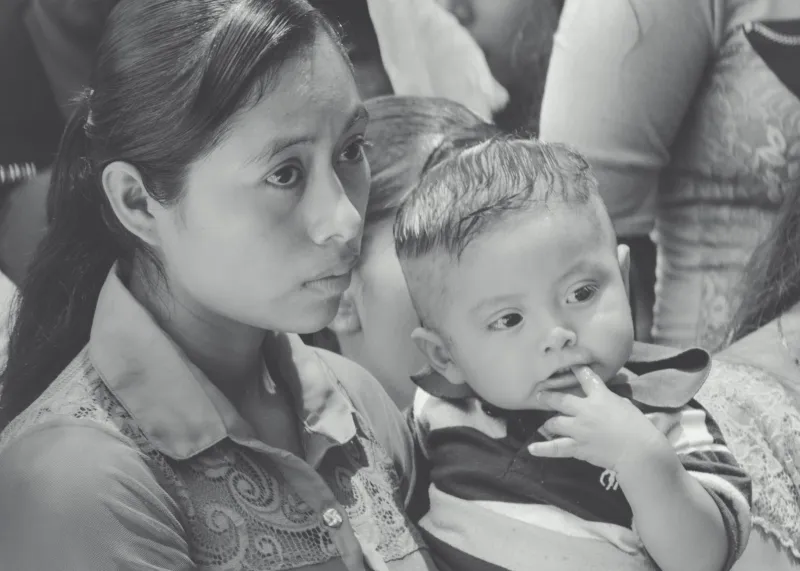
Picture this: your eight-year-old comes home from school, throws their backpack down, and announces that their best friend said something mean at recess. Every instinct you have kicks in immediately. You want to ask questions, offer solutions, maybe draft a strongly worded email to the teacher. You want to fix it.
Now imagine doing none of that. Imagine just... sitting there. Listening. Letting the silence breathe.
For a lot of American parents, that kind of restraint feels almost cruel. But in Japan, it's considered one of the most loving things you can do.
The Concept Behind the Quiet
There's a phrase in Japanese parenting circles that doesn't translate cleanly into English: jibun de kangaeru (自分で考える). Literally, it means "to think for oneself." But culturally, it carries a whole philosophy — the belief that a child who learns to sit with a problem, turn it over in their own mind, and arrive at their own understanding will develop something no parent can hand them directly.
This isn't about neglect or emotional coldness. It's almost the opposite. It's a deeply intentional form of respect — treating a child's inner world as something capable and worth trusting.
Japanese educators and parents often talk about the difference between amae (a kind of indulgent dependence) and genuine emotional growth. A little amae is natural and even healthy in young children. But the long-term goal is always movement toward self-sufficiency — not just in tasks and chores, but in feelings.
Why American Parents Struggle to Hold Back
Let's be honest about the American parenting context for a second. We live in a culture that celebrates responsiveness. Parenting books, pediatrician advice, social media — all of it tends to reward parents who are engaged, involved, and proactive. "Validate your child's emotions" has become almost a mantra, which is genuinely good advice. But somewhere along the way, validation got tangled up with resolution.
We validate by solving. We show love by eliminating the discomfort as fast as possible.
The problem is that discomfort, processed without immediate rescue, is actually one of the primary ways emotional intelligence gets built. When a kid has to sit with frustration long enough to understand it — to name it, to trace where it came from, to decide what to do with it — they're doing cognitive and emotional work that no parent can do for them.
And when we rush in too quickly? We accidentally teach them that their feelings are emergencies that require adult intervention to survive.
What This Looks Like in Practice
Japanese parents who practice jibun de kangaeru aren't sitting in stone-faced silence while their kids cry. The approach is more nuanced than that.
First, there's presence without pressure. A parent might sit nearby, make gentle eye contact, offer a quiet "mm" or a nod — communicating I'm here without communicating tell me everything so I can fix it. The child feels accompanied through the feeling rather than rescued from it.
Second, questions come before answers. If a parent does speak, it's often with something open-ended: "What do you think about that?" or "How did that feel for you?" Not "Here's what you should do." The goal is to prompt the child's own reasoning, not replace it.
Third — and this is the part American parents often find hardest — the parent resists the urge to offer their own opinion unless specifically asked. Even when they can see the "right" answer from three miles away.
Elementary school teachers in Japan often use a similar method called mimamoru (見守る) — a word that means something like "watching over with care." It's used in classrooms when a child is struggling with a problem. The teacher observes, stays close, but doesn't intervene until the child has genuinely exhausted their own resources. The watching is the support.
The Guilt Factor (And How to Work Through It)
Here's the thing nobody talks about enough: this approach is hard not because it's complicated, but because it feels wrong in the moment. Watching your kid struggle and choosing not to immediately jump in runs directly against a parent's deepest protective instincts.
That discomfort you feel? It's worth naming. A lot of American parents who try to pull back in these moments report a wave of guilt — a sense that they're being cold, or lazy, or failing their child somehow.
But consider reframing it this way: the discomfort you're tolerating in yourself is actually the same kind of discomfort you're trying to help your child build tolerance for. You're modeling, in real time, what it looks like to sit with something hard and not immediately escape it.
That's not nothing. That's actually kind of everything.
Small Shifts That Make a Real Difference
You don't have to overhaul your entire parenting style overnight. A few small adjustments can start to build this muscle — for both you and your kid.
Count to ten before responding. When your child brings you a problem, give yourself a beat before you speak. Let the silence do some work. You'll be surprised how often kids will start answering their own questions if you just wait.
Replace "Here's what you should do" with "What are you thinking?" It's a tiny language shift, but it changes the whole dynamic of the conversation.
Normalize unresolved feelings. Not every hard emotion needs a bow tied on it. Sometimes ending a conversation with "That sounds really tough. I'm glad you told me" — and nothing else — is genuinely enough.
Let small frustrations play out. The puzzle that's too hard, the argument with a sibling, the friend situation that feels unfair — these are low-stakes training grounds. Let your kid wrestle with them a little before you step in.
The Long Game
Japanese parenting philosophy tends to think in longer arcs than American parenting culture typically does. The goal isn't a happy child right now — it's a resilient adult eventually. Those two things sometimes require different things in the moment.
A child who learns, slowly and imperfectly, to think through their own emotions — to ask themselves why they feel what they feel, and what they want to do about it — is building a skill set that will carry them through friendships, workplaces, relationships, and all the ordinary heartbreaks of a full life.
The quiet you offer them today is the voice they'll find for themselves tomorrow.
And honestly? That's a pretty beautiful thing to give someone.