Less in the Cupboard, More on the Plate: The Japanese Kitchen Secret American Families Are Missing

Open a typical American kitchen cabinet and you'll find a small avalanche waiting to happen. Twelve kinds of pasta. Four half-used bottles of hot sauce. A grain you bought for a recipe two years ago and haven't touched since. We equate a full pantry with preparedness, with abundance, with being a good provider. It's practically a cultural value.
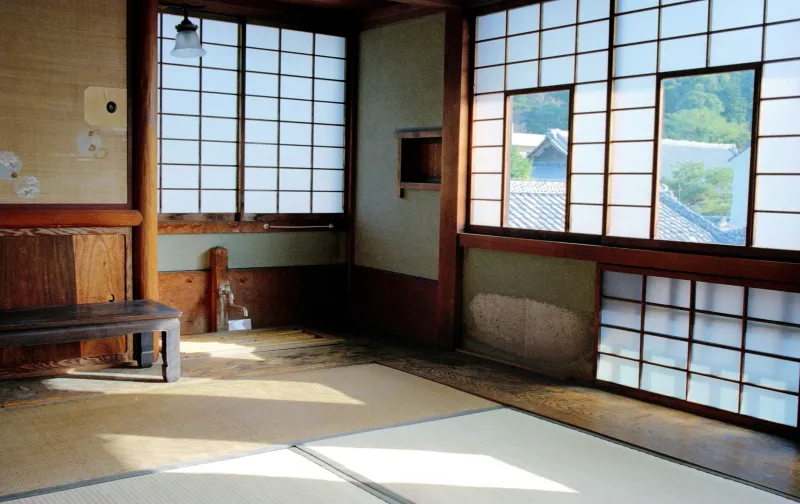
Now picture a traditional Japanese kitchen. The shelves are modest. The refrigerator is smaller than you'd expect. What's there is fresh, purposeful, and almost always tied to whatever the season is doing outside. It doesn't look like deprivation. It looks like clarity.
And that clarity, it turns out, makes for better cooking.
The Pantry That Doesn't Exist
In many Japanese homes—especially older, more traditional ones—the concept of a sprawling pantry simply never developed. Kitchens in Japan are famously compact. Storage space is precious. Buying in bulk the way Americans do at Costco isn't really part of the rhythm. Instead, many Japanese home cooks shop frequently, sometimes daily, picking up what's fresh and available rather than stocking up for hypothetical future meals.
This isn't just a matter of square footage. It reflects a deeper philosophy: that constraints are generative. When you only have a handful of ingredients on hand, you're forced to think more carefully about how they interact. You taste more. You improvise more. You pay attention in a way that a kitchen overflowing with options simply doesn't demand.
There's even a Japanese term that gets at this spirit—ichiju sansai, which translates roughly to "one soup, three sides." It's the traditional structure of a Japanese meal: a bowl of rice, a bowl of miso soup, and three small dishes built around whatever proteins and vegetables are available. The framework is simple. What fills it changes constantly. The limitation becomes the creative engine.
When Abundance Becomes Noise
Here's something worth sitting with: having too many choices doesn't make us more creative. Research on decision fatigue suggests the opposite—when we're overwhelmed with options, we default to the familiar, the easy, the safe. That's why so many American families end up cycling through the same five dinners despite owning 200-page cookbooks and a pantry that looks like a small grocery store.
Japanese home cooks don't face that particular paralysis. With fewer ingredients on hand, each meal becomes a small puzzle. What's ripe right now? What's left from last night? What does this fish want to be paired with? The answers are practical, but the process is almost meditative.
Seasonal eating plays a huge role here, too. Japanese food culture is deeply tied to shun—the idea that every ingredient has a peak moment, and that eating it at that moment is both more delicious and more meaningful. A tomato in August and a tomato in February are practically different foods. Japanese cooking leans into that reality rather than trying to paper over it with year-round supermarket availability.
What This Looks Like in Practice
Adopting this mindset doesn't mean ripping out your pantry or shopping every single day (though honestly, a weekly trip to a farmers market does wonders). It's more about shifting how you relate to what you already have.
A few things Japanese home cooking suggests:
Cook from what's there, not what's missing. Before you add anything to a grocery list, open the fridge and ask what could become a meal. Japanese cooks call this kind of improvisational cooking ari-awase—making do with what's on hand. It sounds humble, but it produces some of the most satisfying meals.
Let the season tell you what to make. Walk through the produce section and buy what looks best, then figure out the recipe after. This reverses the typical American approach of planning a meal and hunting for ingredients, and it almost always results in better-tasting food.
Shrink the pantry on purpose. Not all at once, but try going a month without restocking certain categories. No new condiments until the current ones are gone. No new grains until the existing ones are used. You'll be surprised how creative you get when the backup options disappear.
Embrace the small plate. The ichiju sansai structure is incredibly practical for families. Instead of engineering one elaborate main dish, build a meal from several small components. A little bit of fish. A quickly pickled vegetable. Some rice. Miso soup from yesterday's broth. It's faster, it wastes less, and it often feels more satisfying than a single centerpiece dish that either worked or didn't.
The Emotional Dimension
There's something else happening in Japanese kitchens that's harder to quantify but just as real. When ingredients are treated as precious rather than plentiful, the act of cooking changes emotionally. You're not just filling a meal slot. You're making a decision about what matters today, what's worth the time, what will nourish the people you're cooking for.
American food culture has a complicated relationship with that kind of intentionality. We celebrate convenience and abundance and the ability to have anything at any time. But a lot of families quietly feel like something's missing from mealtimes—some quality of care or presence that used to be there.
The Japanese kitchen, with its modest shelves and seasonal rhythms, offers a gentle counterargument: that meaning in food doesn't come from having more. It comes from paying attention to less.
You Don't Need a Smaller Kitchen
The good news is that none of this requires a renovation or a lifestyle overhaul. It's a mindset shift more than a material one. Start by treating your pantry as a resource to deplete rather than maintain. Notice what's actually in season at the store this week and let that guide dinner. Try building one meal around the ichiju sansai structure and see how your family responds.
The Japanese kitchen without a pantry isn't about going without. It's about discovering that when you remove the noise, what's left is usually exactly enough—and often, surprisingly, more than you needed.